
Property Prices in East Dulwich
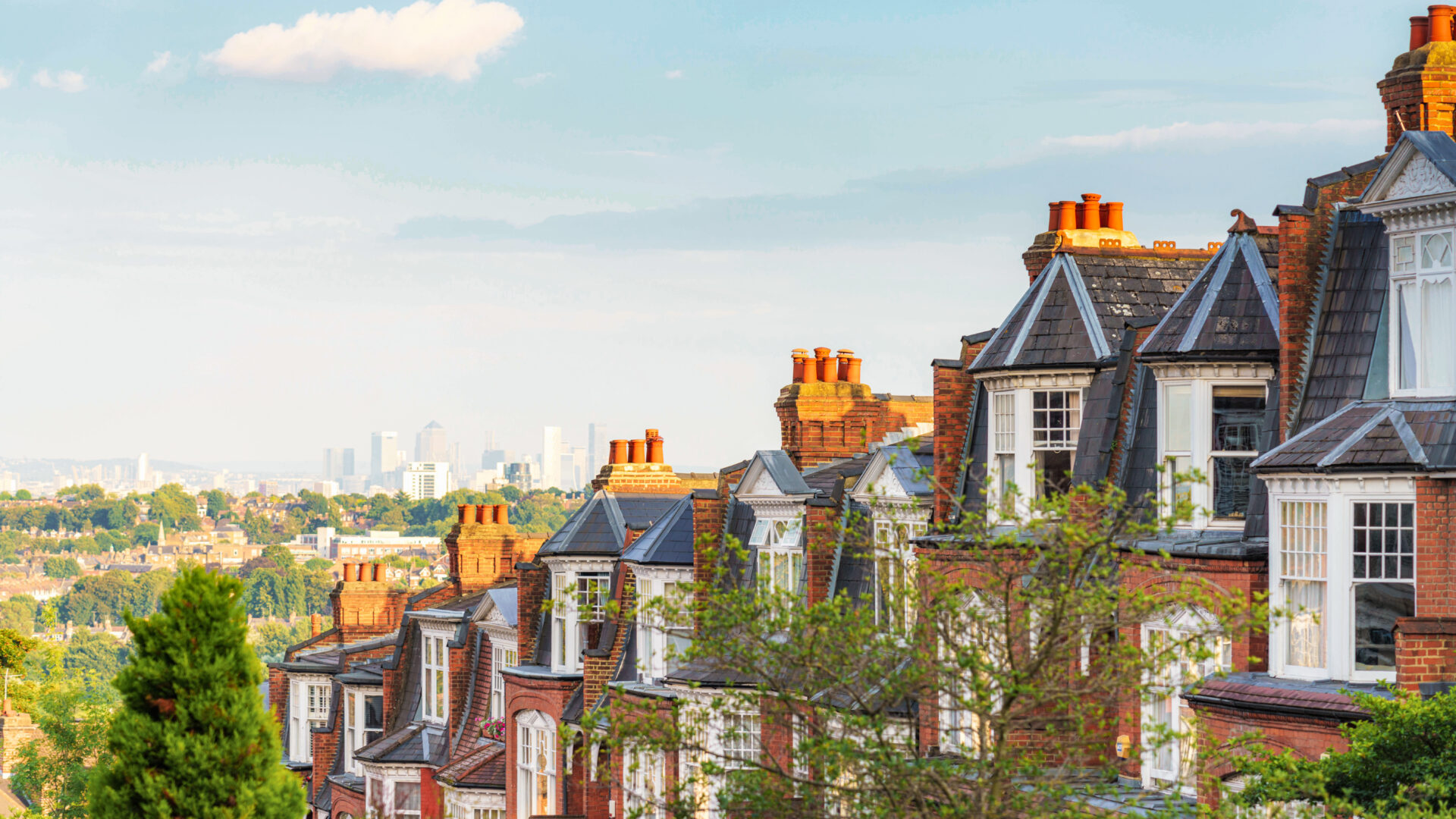
Source: HM Land Registry Price Paid Data — median sold prices over a rolling 12-month window
What Your Budget Buys
Source: HM Land Registry.
Schools in East Dulwich
🏫 Primary
🏛 Secondary
Data: Ofsted, 2026
Transport & Commute: East Dulwich
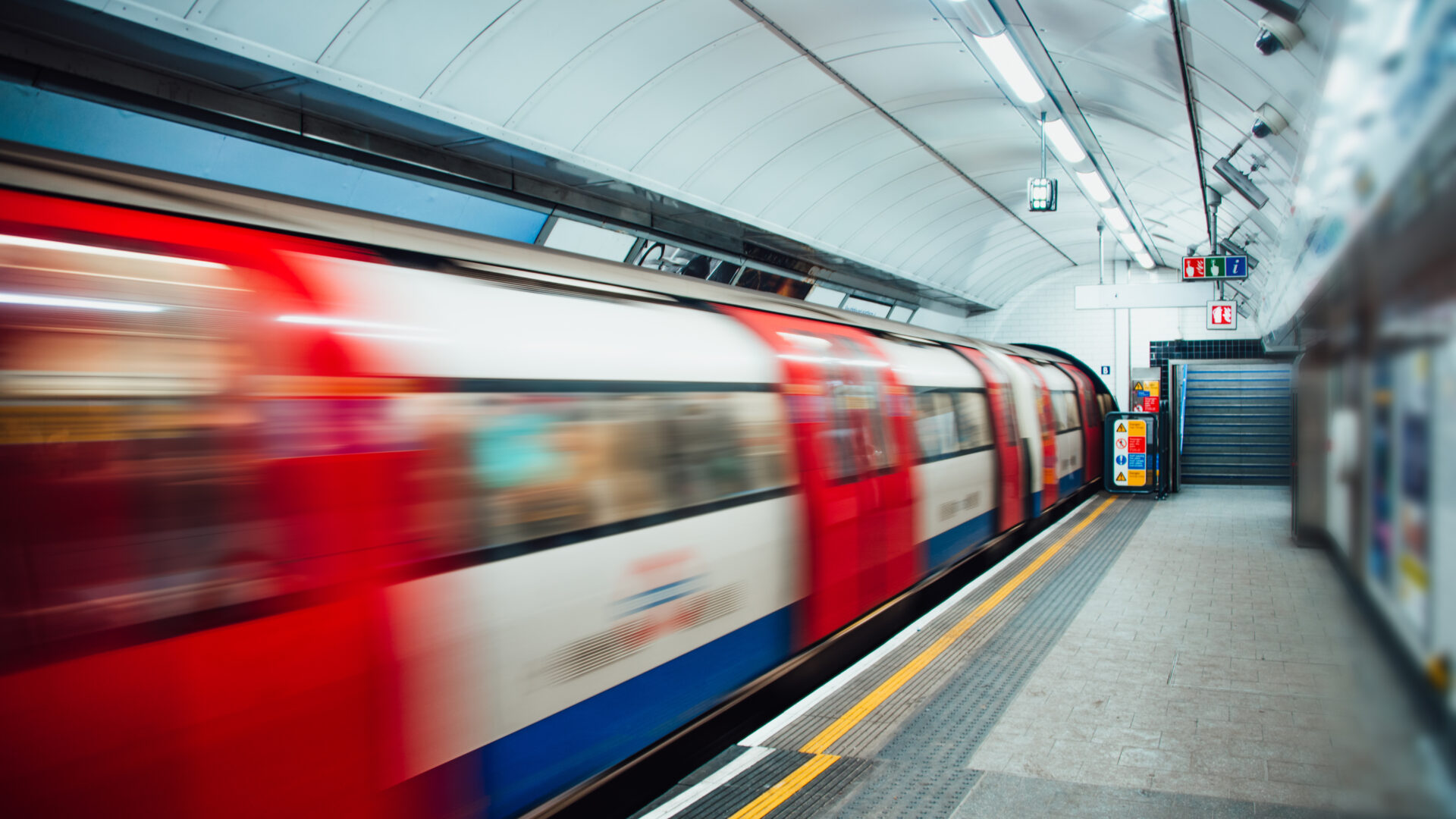
Commute Times
Source: TfL Journey Planner, 2026. All times are station-to-station (boarding to alighting); add 5–10 minutes for walking to your nearest station and waiting.
Crime & Safety in East Dulwich
Top Concern
Source: Metropolitan Police via data.police.uk · Population: ONS Census 2021 · Updated monthly
The Numbers
East Dulwich records about 74 crimes per 1,000 residents over 12 months to April 2026 (data.police.uk) — 40% below the London average. On the PAL Safety score that puts the area at 85/100: genuinely one of the lower-crime areas we cover, and a real family draw. Unlike a busy town centre, where a “below average” figure can be an artefact of how the average is calculated, here the low number is real — the residential rate is low in its own right, not just flattering against an inflated citywide mean.
What the Data Tells You
The honest read is that East Dulwich is a low-crime area, not a place that only looks calm against an inflated average — the residential rate is low in its own right, not merely flattering against a skewed citywide mean. The largest category is Theft, at roughly 26% of recorded crime, the usual pattern for a busy shopping high street: Lordship Lane’s retail footfall concentrates opportunistic theft in the same way any active parade does. That is honest texture, not a warning — the offending is opportunistic rather than the volume crime of a nightlife district.
Street-Level Context
The pattern is quietly residential almost everywhere, with the mild exception of the shopping core. What theft there is tends to follow footfall — Lordship Lane and the North Cross Road market on a busy Saturday put shoppers, bags and opportunity in the same place, which is why theft leads the category list. Move off the high street into the terraced grid toward Barry Road, Crystal Palace Road and the Peckham Rye edge, and the picture is settled and low-incident. The closer you buy to Lordship Lane, the more of that everyday retail texture you take on; the quieter streets a few minutes out feel firmly residential.
What Residents Say
Residents experience East Dulwich as calm and family-oriented, and the data backs that up. The practical takeaway for a buyer is simply to match precautions to a busy-high-street area: opportunistic theft is the realistic risk, so keep an eye on bags and phones along Lordship Lane and the Saturday market, secure bikes with a proper D-lock near the station, and keep nothing visible in parked cars. None of this is unusual; it is ordinary city sense in a place where the low-crime figure is the headline, not a caveat.
Unlock the Complete East Dulwich Guide
You’ve seen the headline data. Get the full picture — detailed narratives, council costs, community character, and our editorial verdict.
- 🎓 In-depth school, transport & crime analysis
- 🏛 Council tax & parking costs
- 🏘 Community character & local vibe
- ⭐ Editorial verdict, value assessment & future outlook
- 📦 Moving practicalities
By unlocking, you’re happy for us to email you this guide plus the occasional helpful update from Property Around London. No spam — unsubscribe anytime.
Council Fees in East Dulwich
Source: London Borough of Southwark, 2026
East Dulwich Community Character
Source: Google Maps, OS Open Greenspace & editorial research, 2026

Fast to London Bridge, safe, and stacked with good state schools — East Dulwich is the livelier, Zone 2 counterpart to Dulwich, minus the Tube.
East Dulwich is a family-first Zone 2 neighbourhood in Southwark (SE22), built around Lordship Lane’s independent high street and a clean sweep of good state schools.
East Dulwich scores 0/100 on the PAL Score — our weighted rating across six core criteria that define what makes a London neighbourhood work for buyers.
How We Score
Each criterion is normalised on a 0–100 scale across every London neighbourhood we cover, so a score describes how East Dulwich compares with the rest of the city, not an absolute mark.
The Breakdown
| Criterion | Score (/100) | What it means |
|---|---|---|
| Safety | 85 | 40% below the London average; one of the lower-crime areas we cover, theft-led and family-quiet. |
| School Quality | 0 | 10 schools, all Good or Outstanding, including two sought-after non-selective secondaries — the state offer is the story here. |
| Local Amenities | 52 | Lordship Lane’s independent high street and the North Cross Road market give a real everyday offer. |
| Green Space Access | 0 | Goose Green, Peckham Rye and Dulwich Park nearby, but a dense terraced grid pulls the normalised score down. |
| Property Price Affordability | 0 | Expensive — a median of N/A; the premium buys schools and the high street, not the commute. |
| Transport Connectivity | 0 | London Bridge in 13 minutes direct, but no Tube and no fallback when the line is down. |
Scores use the PAL 0–100 scale, z-score normalised across all London neighbourhoods and displayed as integers. See the PAL Score Architecture for methodology.
What This Means
Safety (85/100) carries East Dulwich — it is the strongest dimension and a real one: recorded crime sits 40% below the London average and the residential rate is low in its own right, so this is genuine calm rather than a statistical quirk. Schools (0) sit close behind and matter more here than in the village next door, because the offer is state — 10 schools, all Good or Outstanding, including two sought-after non-selective secondaries. Local amenities (52) reflect a genuine independent high street rather than a chain parade. After that, the scores describe a desirable area PAL measures on dimensions where desirability does not help. Green space (0) lands below average despite Goose Green, Peckham Rye and Dulwich Park nearby, because the terraced grid itself is dense. Affordability (0) is weak because East Dulwich is expensive, with a median around N/A. Transport (0) is the drag: no Tube and no fallback when the single line is down, even though London Bridge is 13 minutes direct. The resulting 0/100 is a Below Average score, and the honest reading is that it lands where it does despite the area’s appeal — PAL scores affordability and connectivity, and East Dulwich’s strengths are its schools, its safety and its high street.
💰 Value Assessment
At an average of N/A and about £808 per square foot (HM Land Registry, June 2026), East Dulwich is priced for its schools, safety and high street rather than its connectivity. The 14.3% five-year rise is strong and dependable; the 21.6% one-year figure in the rolling data is almost certainly a sold-mix artefact and should not be read as a real annual jump. You pay a clear premium over Peckham (£525,000) and sit just below Dulwich village (£768,000) — money that buys the family texture and the state-school offer, not a faster train.
Our Recommendation
Who's East Dulwich for?
East Dulwich is likely to suit you if:
- Have school-age children and want state options. The area has 10 schools, all Good or Outstanding, including the Outstanding Harris Girls’ Academy and the sought-after Charter School East Dulwich — reception to sixth form without fees or the 11-plus.
- Commute to London Bridge or the City. East Dulwich runs direct to London Bridge in 13 minutes — one of the fastest links of any area we cover, for a no-Tube neighbourhood.
- Want a genuine independent high street. Lordship Lane’s butcher, delis and children’s shops, plus the Saturday North Cross Road market, give the area a real high street rather than a chain parade.
- Value a low-crime area. Recorded crime sits 40% below the London average, giving East Dulwich a Safety score of 85/100 — one of the lower-crime areas we cover.
- Want a Victorian terrace or period conversion. The neighbourhood is a grid of Victorian terraced streets and the flats carved from them, and prices are up 14.3% over five years (HM Land Registry) while Peckham has cooled.
Think twice if you:
- Are watching the budget. East Dulwich is expensive — a median of N/A and a value score of 0 — and the premium over Peckham buys the schools and the high street, not the commute.
- Need the Underground or a fast West End run. There is no Tube; Bank needs a change at minutes and Victoria is , and a disrupted rail line leaves no quick fallback.
- Want lively evenings. This is a family neighbourhood with an early-closing night-time scene — for a proper late night you head to Peckham or take the train.
- Want a detached house or a big garden. Detached homes are effectively absent; the stock is terraced houses and conversions on compact Zone 2 plots.
- Are buying a flat for yield. Gross yields sit at roughly 3.5–4.5% against high flat values — this is a capital-growth market, not an income one.
The Real Picture
East Dulwich is a family-first Zone 2 neighbourhood that has quietly become one of south-east London’s more dependable places to settle. You get a proper independent high street, a clean sweep of good state schools, genuinely low crime and a fast train to London Bridge — and you accept, in return, no Tube, quiet evenings and a price that makes affordability the weak point. It is the livelier, state-school, indie-high-street counterpart to genteel Dulwich next door, and it settles young families happily. It frustrates anyone who wants a Tube, a bargain, or somewhere with a buzz after ten.
Moving to East Dulwich?
Get our free moving checklist and local tips delivered to your inbox.
No spam. Unsubscribe anytime.